1. Introduction to the Game of Cricket
Cricket is one of the most popular sports in the world, especially in countries like India, Australia, England, and Pakistan. Millions of fans watch and play cricket every day, from professional stadium matches to friendly games in local parks and streets.
Cricket is a bat-and-ball sport played between two teams of 11 players each. The game takes place on a large circular field with a rectangular pitch in the center.
The main objective of cricket is simple:
- One team bats and scores runs
- The other team bowls and fields to stop runs and dismiss batsmen
- After a set number of overs or wickets, the teams switch roles
The team that scores the most runs wins the match.
Cricket can be played in different formats, including Test matches, One Day Internationals, and Twenty20 matches.

2. Structure of a Cricket Team
Each cricket team consists of 11 players, and every player has a specific role. Understanding these roles is important for learning how the game works.
Main Player Roles
Batsmen
Their primary responsibility is to score runs using the cricket bat.
Bowlers
Bowlers deliver the ball toward the batsman in an attempt to dismiss them.
All-Rounders
These players contribute both with batting and bowling.
Wicketkeeper
The wicketkeeper stands behind the stumps and catches balls that the batsman misses.
A well-balanced team usually includes a mix of specialist batsmen, bowlers, and all-rounders.
3. Cricket Ground Layout and Fielding Positions
Cricket is played on a large oval field with a 22-yard pitch at the center.
Key components of the field include:
- Pitch – The central strip where bowling and batting occur
- Wickets (Stumps) – Three vertical sticks with two bails on top
- Boundary – The outer edge of the playing field
Common fielding positions include:
- Slip
- Gully
- Point
- Mid-off
- Mid-on
- Square leg
- Fine leg
Field placements are chosen strategically depending on the batsman and match situation.
4. Toss Rule in Cricket
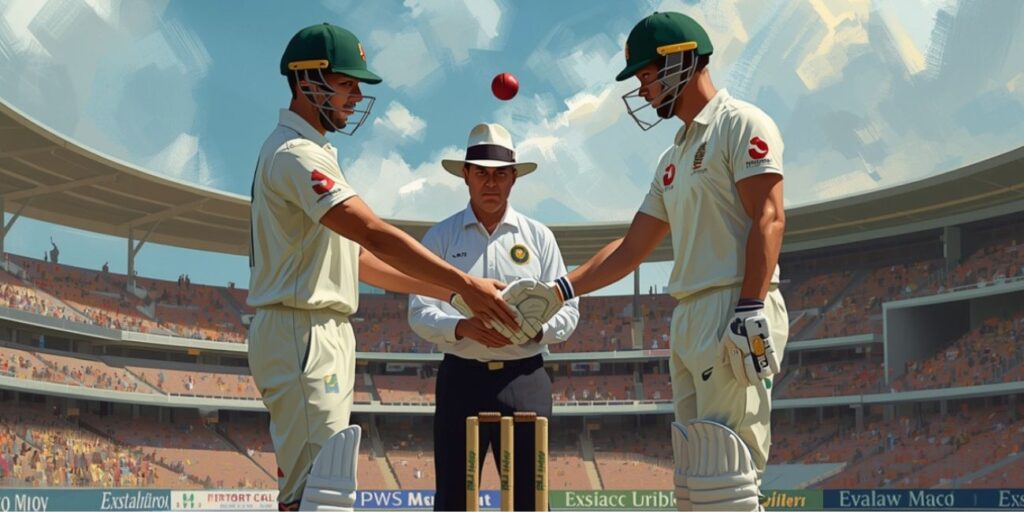
Before a cricket match begins, the two captains meet for a coin toss.
The captain who wins the toss chooses either to:
- Bat first, or
- Bowl first
The decision usually depends on factors such as:
- Pitch conditions
- Weather
- Match format
For example, in shorter formats like Indian Premier League matches, teams often prefer chasing because they know the target score.
5. Basic Batting Rules
Batting is the process of scoring runs in cricket.
A batsman scores runs by:
Running Between the Wickets
After hitting the ball, batsmen run to the opposite end of the pitch to score runs.
Boundary Four
If the ball reaches the boundary after touching the ground, the batting team gets 4 runs.
Six Runs
If the ball crosses the boundary without touching the ground, it counts as 6 runs.
Good batting requires timing, shot selection, and footwork.
6. Basic Bowling Rules
Bowling is how the fielding team tries to dismiss batsmen.
Key bowling rules include:
Overs
An over consists of 6 legal deliveries bowled by the same bowler.
Types of Bowling
Fast Bowling
Uses speed to challenge the batsman.
Spin Bowling
Uses spin and variation to deceive the batsman.
Illegal Deliveries
No Ball
- Bowler oversteps the crease
- Batting team receives a free run
Wide Ball
- Ball is too far from the batsman to hit
- Batting team gets an extra run
Bowlers must maintain proper technique and follow umpire rules.
7. Ways a Batsman Can Get Out
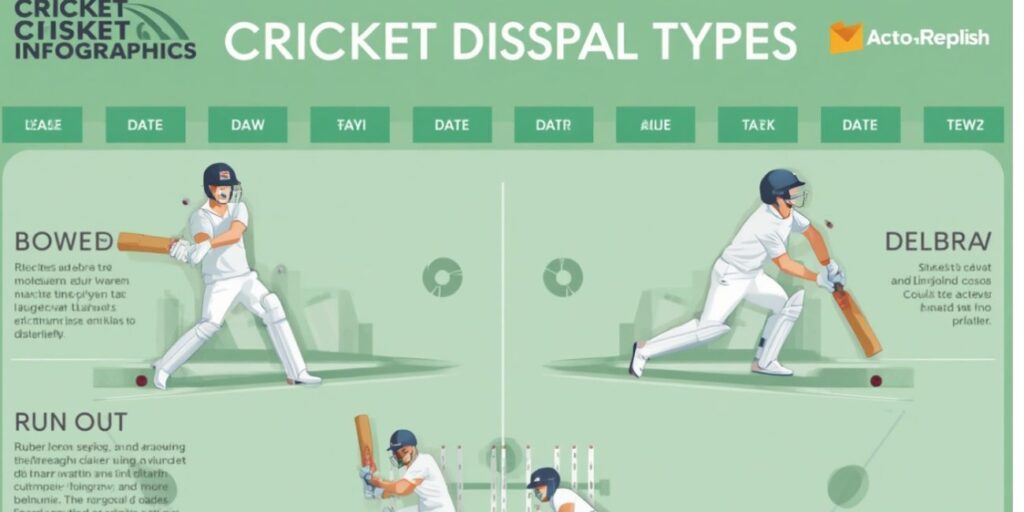
There are several ways a batsman can be dismissed in cricket.
Bowled
The ball hits the stumps and dislodges the bails.
Caught
A fielder catches the ball before it touches the ground.
Leg Before Wicket (LBW)
The batsman blocks the ball with their leg in front of the stumps.
Run Out
A fielder breaks the stumps before the batsman reaches the crease.
Stumped
The wicketkeeper removes the bails when the batsman is outside the crease.
Understanding these dismissals is essential to learning cricket strategy.
8. Understanding Overs and Innings
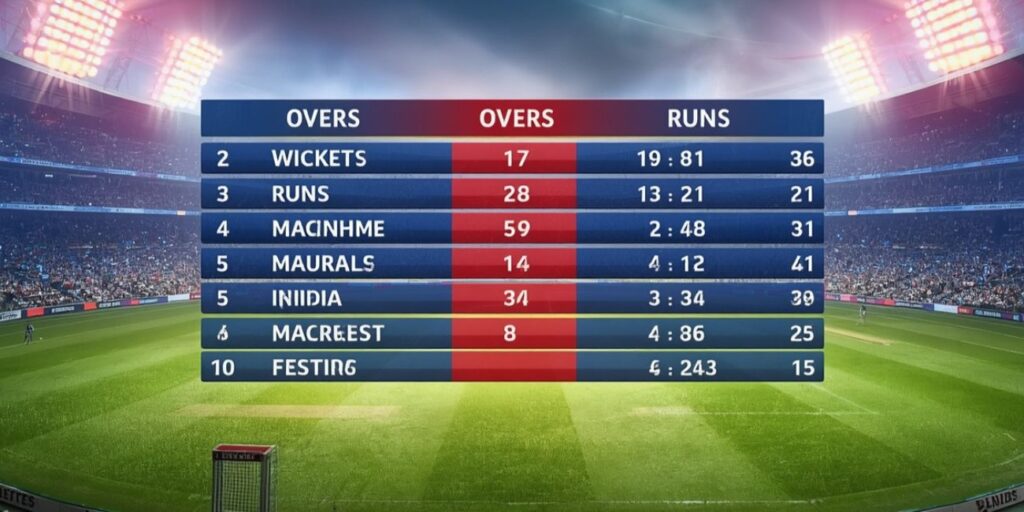
A cricket match is divided into innings, where one team bats and the other bowls.
The number of overs depends on the format:
Test Cricket
- Played for 5 days
- Unlimited overs per innings
One Day Internationals (ODI)
- 50 overs per team
Twenty20 (T20)
- 20 overs per team
Shorter formats focus on aggressive batting and faster gameplay.
9. Advanced Fielding and Match Strategy
Cricket is not only about skill but also about strategy.
Advanced fielding tactics include:
Powerplay Rules
During certain overs, only a limited number of fielders can stay outside the circle.
Field Placements
Captains adjust field positions depending on:
- Batsman strengths
- Bowler type
- Match situation
Smart field placements can create pressure and lead to wickets.
10. Umpire Signals and Match Decisions
Umpires control the match and ensure that all rules are followed.
Common umpire signals include:
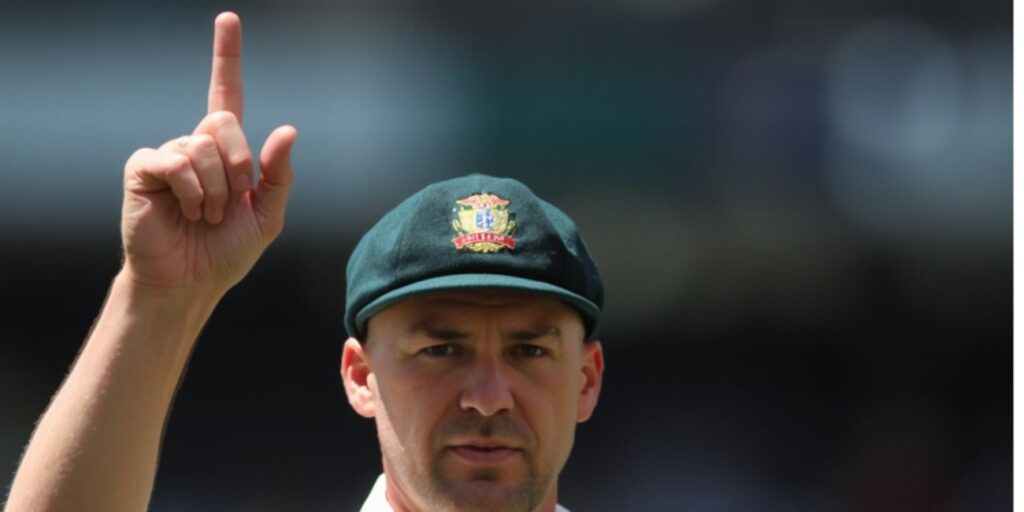
- Raised finger – Out
- Arms extended – Wide Ball
- Arm raised sideways – No Ball
- Arm waved – Four Runs
- Both arms raised – Six Runs
Modern cricket also uses technology such as the Decision Review System (DRS) to help umpires make accurate decisions.
Conclusion
Cricket is a fascinating sport that combines skill, strategy, teamwork, and excitement. Whether you are watching professional matches or playing with friends, understanding the basic and advanced cricket rules makes the game more enjoyable.
From batting and bowling techniques to fielding strategies and umpire decisions, cricket offers endless learning opportunities for players and fans alike.
If you are interested in playing cricket, having the right equipment such as bats, balls, gloves, and protective gear can significantly improve your performance on the field. Yoy must visit our shop at Rishikesh (Uttarakhand); Garhwal Sports & Stationers.